

The Y Strainer Purpose
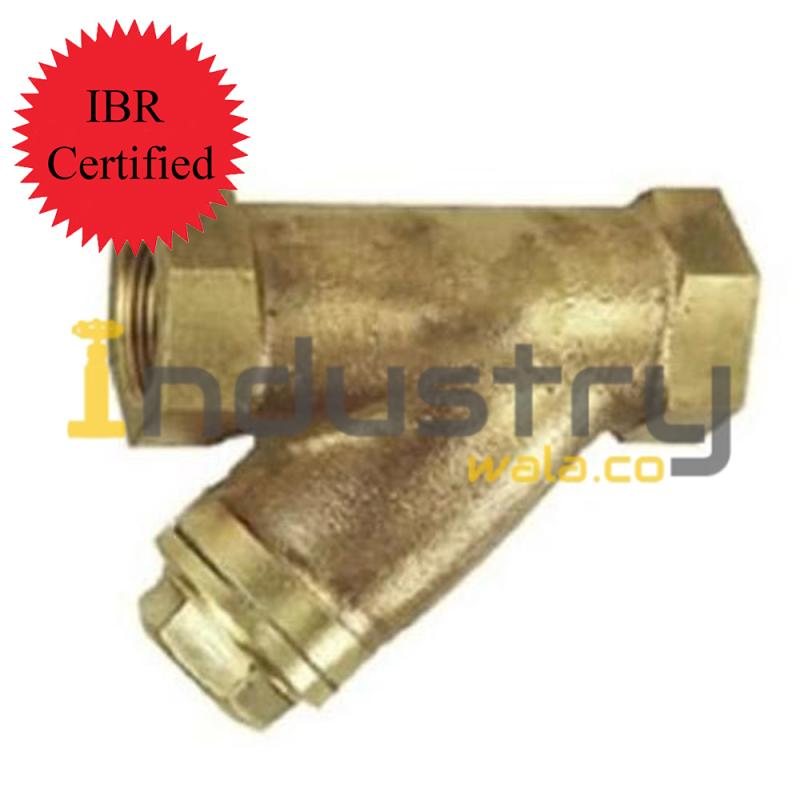
The Bronze IBR Certified Y Type strainer is designed to remove unwanted particles from steam, gas, or liquid using a straining element typically made of wire mesh. This mechanical filtration process helps protect equipment such as pumps, valves, and steam traps from damage caused by debris. Many industries prefer to Buy Bronze IBR Y Type Strainer models because of their durability and compliance with IBR standards.
One of the biggest advantages of a Y type strainer is its flexibility. It can be installed in either a vertical or horizontal position depending on system requirements. While already a cost-effective solution, the compact size of Y strainers helps reduce material usage and overall cost. This makes it easier for industries to find the Best Price IBR Bronze Y Strainer without compromising on quality.
Y strainers are available in various materials, but bronze is widely preferred for its corrosion resistance and long service life. Any type of end connection required—such as screwed, socket, or flanged—is available to suit different piping systems. With easy availability, many industries now Order IBR Certified Y Strainer Online for faster procurement and installation.
The customization options for Y strainers are extensive compared to other strainer types. However, selecting the right design is essential for optimal performance. Understanding the specific application before choosing a Bronze IBR Certified Y Type strainer ensures efficient filtration and long-term reliability.
Y Strainer Applications
Y strainers are widely used in industries that require continuous protection from debris. One of the most common applications is in steam systems, where a Bronze IBR Certified Y Type strainer effectively handles high-pressure conditions and prevents damage to downstream equipment.
They are also frequently used in liquid applications. Sand, gravel, and other particles can cause serious issues in pipelines, but Y strainers help prevent clogging and equipment damage. In water handling systems, they play a crucial role in maintaining smooth operation and protecting critical components from contamination.